
NEXT Integrated Health Systems Review: Advancing the Future of Coordinated Global Healthcare
NEXT Integrated Health Systems Review | Vol. 2 No. 2 (2025): Issue 2 – Volume 2 (2025)
Published: December 4, 2025
Abstract
Integrated health systems are becoming an essential pillar in the global shift toward coordinated, efficient, and patient-centered care. As nations worldwide face growing healthcare demands—driven by aging populations, rising chronic illnesses, and economic constraints—the need for well-structured, technology-enabled, and inclusive health system integration has never been greater. This review explores emerging models, global innovations, and transformative strategies shaping the next era of integrated healthcare.
IntroductionThe global healthcare landscape is undergoing rapid transformation. Traditional standalone models are giving way to interconnected networks that emphasize continuity of care, data-driven decision-making, and collaborative clinical pathways. The NEXT Integrated Health Systems Review examines how health systems can evolve through modernization, digital infrastructure, and strategic unification of services.
What Is Integrated Health?Integrated healthcare involves strengthening coordination across the entire continuum of care, including:
-
Primary care
-
Specialty services
-
Hospitals and tertiary centers
-
Community and home-based healthcare
-
Public health and preventive care
The goal is seamless service delivery—reducing fragmentation, improving patient experience, and ensuring efficient resource utilization.
Global Drivers of IntegrationSeveral powerful trends are accelerating global adoption:
1. Chronic Disease BurdenDiabetes, cardiovascular disease, respiratory illnesses, and cancer place unprecedented pressure on health systems. Integrated care pathways help reduce hospitalization and support long-term management.
2. Digital TransformationElectronic health records, telemedicine, AI-enabled diagnostics, and smart monitoring tools are essential components of integrated systems.
3. Cost Containment and SustainabilityIntegration reduces duplication, unnecessary tests, administrative load, and overall health expenditure.
4. Demand for Patient-Centered CarePatients increasingly expect personalized, coordinated care experiences across all service points.
5. Pandemic-Era LearningCOVID-19 exposed gaps in global system coordination—strengthening the urgency of integrated, resilient health networks.
Models of Integration 1. Vertical IntegrationLinking different levels of care (primary → secondary → tertiary).
Improves continuity and referral efficiency.
Connecting similar service-level institutions such as hospitals, labs, or clinics.
Enhances shared resources and quality consistency.
Standardized guidelines, care pathways, and multidisciplinary teams.
Promotes evidence-based, uniform care delivery.
Interoperable health information systems, AI solutions, and shared digital platforms.
Enables real-time data access and cross-system analytics.
✔ Improved health outcomes through coordinated and continuous care
✔ Reduced medical errors via unified patient records
✔ Lower costs through system-wide efficiency
✔ Enhanced patient satisfaction with smoother care transitions
✔ Stronger public health response through shared data and surveillance
✔ Better workforce collaboration across disciplines
Authors
References
Article Metrics
Similar Articles
-
1
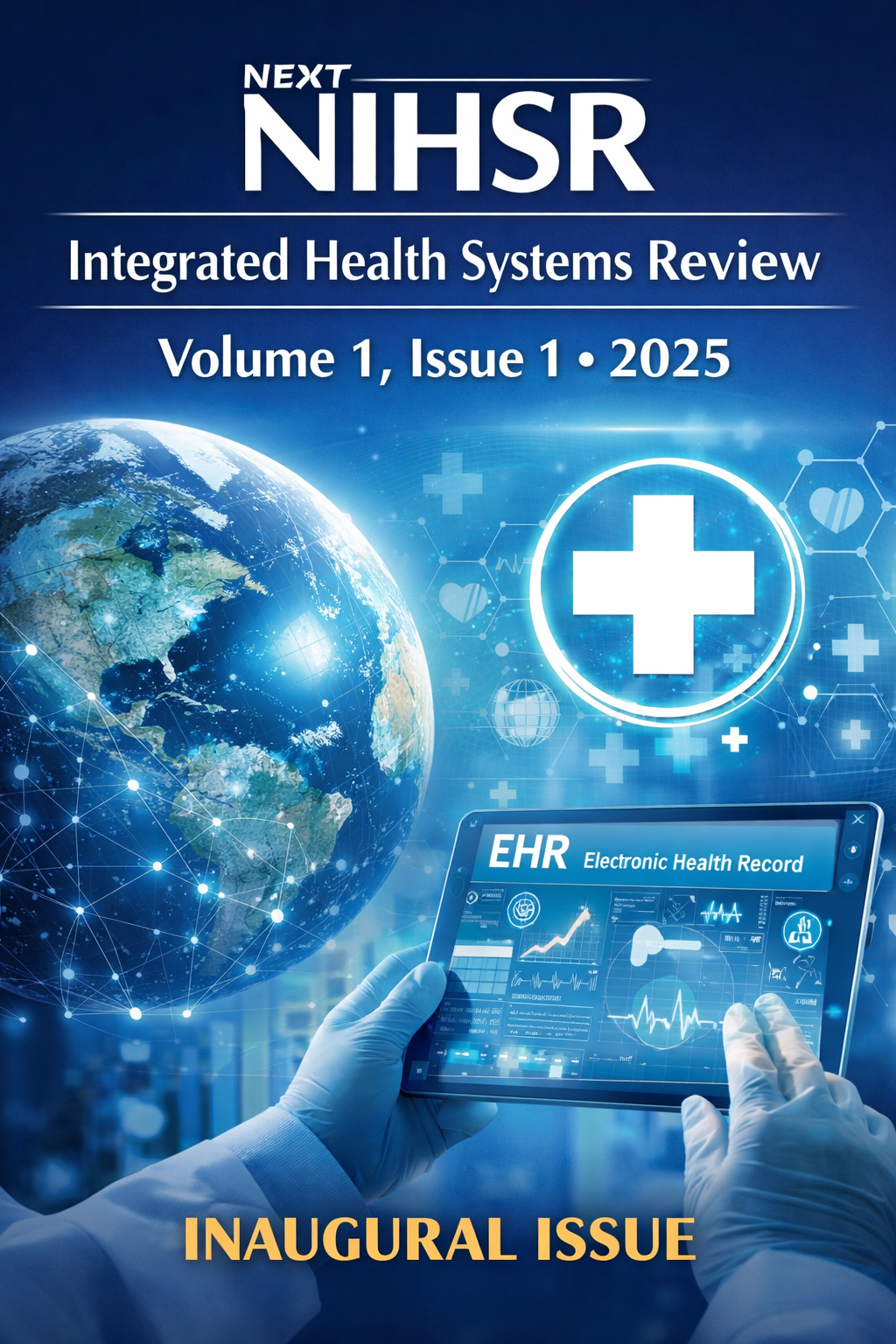
Issue Information
Vol. 2 No. 2 (2025): Issue 2 – Volume 2 (2025)
Published: 2025-12-02
View Full IssueRelated Articles
Similar Articles
-
1